
Our story
The people who make a neighborhood should be able to stay in it.
Kinship began the way a lot of good things do: a group of neighbors who were fed up. We are a collective of local property owners and renters who watched gentrification price out our friends, watched relationships turn into transactions, and watched big real estate quietly take over the places we grew up in. So we decided to work together and change how renting works in our city.
We are owned by the people who actually do the work and live in the homes. Membership gives workers, tenants, and small local property owners a chance to help shape Kinship and share in the value they build. People can be considered after two years of active involvement. Because membership carries real trust and responsibility, time alone does not guarantee it; tenants must also have paid rent and utilities on time every month and maintained positive, respectful relationships with housemates. We chose the cooperative form on purpose, because it's how people who have been kept out of property wealth for generations, through redlining, denied loans, and displacement, get to build some of their own. The wealth stays with the people who built the neighborhood instead of being siphoned off to whoever happened to be holding cash at the right moment.
Day to day, that looks ordinary and practical. We make sure rent gets paid and homes get cared for. We teach people to fix the small things themselves. We take the stress out of subletting. We help tenants and owners talk to each other like neighbors. And we connect people to help when a hard month hits, before a hard month becomes an eviction.
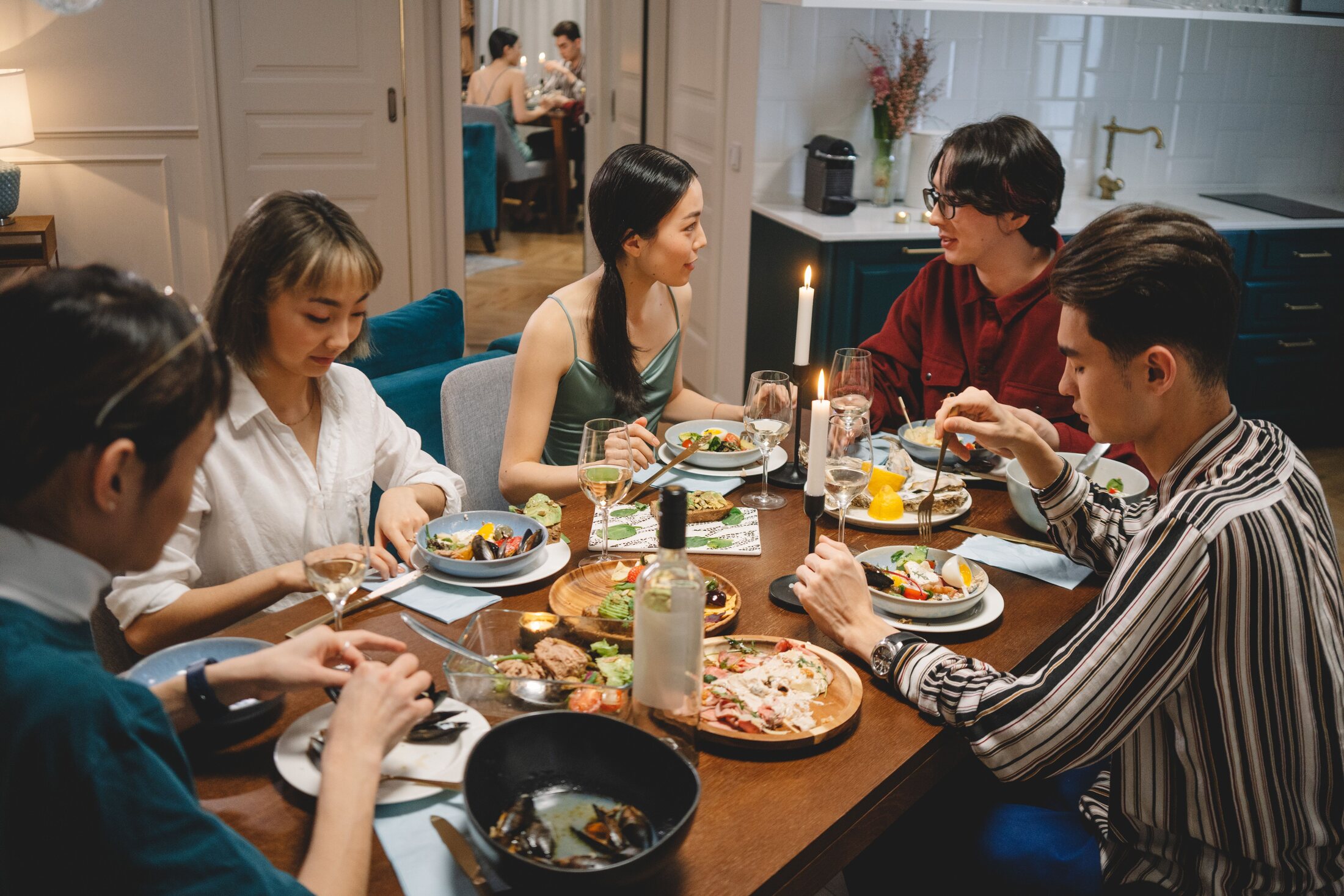
We're rooted in Somerville and Greater Boston. Many of us started over here, or watched our parents do it: learning a city in a new language, sending money home, stretching a paycheck to keep a family house standing, working out who to trust one neighbor at a time. So when we talk about people the housing system overlooks, we're not describing anyone from a distance. We mean our own families, our housemates, the elders on our block. We mean us.
Over time, we're working to buy property and hold it in community trust, to partner with Indigenous-led landback efforts, and to build a network that keeps the people around us housed and fed, whatever is happening in the wider economy.
We’re building this one home and one relationship at a time.
What we hold onto
Kinship over extraction
Housing should build relationships, not strip them for parts.
Ownership for the excluded
The people who build a neighborhood should get to own a piece of it.
Staying put
Helping neighbors keep their homes is the whole point, not a side effect.